What Causes Brown Patches in the Lawn
3 min read
Lawn Care
3 min read
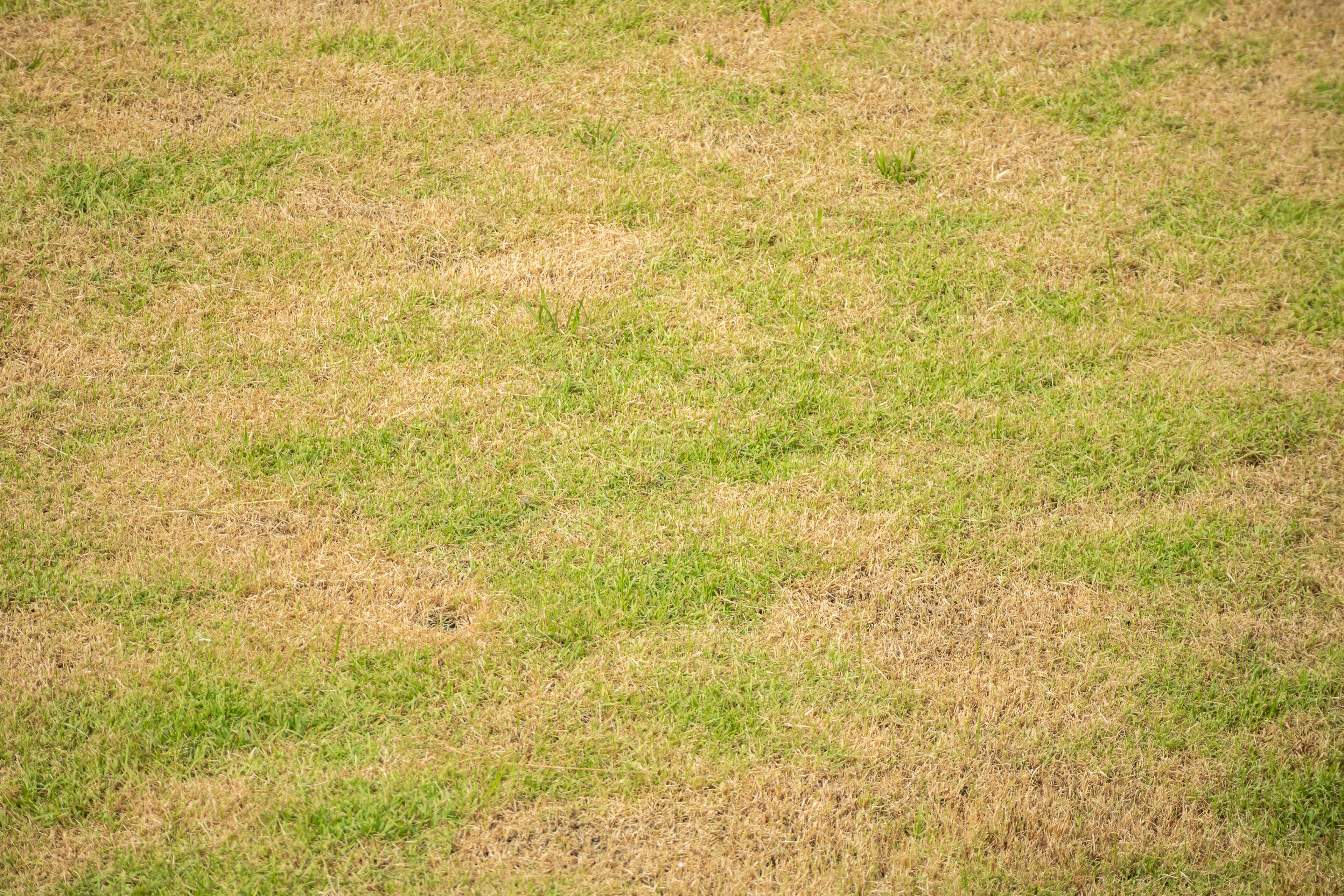
Noticing brown patches spreading across your lawn can be frustrating, especially when the rest of your grass seems healthy. These discolored areas often signal underlying issues that need timely attention. Understanding what causes brown patches in lawn areas is the first step toward restoring a thick, green lawn and preventing long-term damage.
Brown patches don’t appear randomly. Several environmental and maintenance factors can stress your turf and cause visible damage. Improper watering is one of the most common culprits. Overwatering creates soggy conditions that weaken grass roots, while underwatering leaves the turf dehydrated and vulnerable. Irregular watering schedules can intensify the issue by creating uneven moisture levels throughout your lawn.
Soil compaction and poor drainage also contribute. When soil becomes too dense, water and nutrients struggle to reach the roots, leading to stressed grass and thinning areas. Heavy foot traffic and clay-heavy soil can intensify this issue, especially during warmer months.
Finally, nutrient imbalance plays a role. Excess nitrogen can burn grass blades, while a lack of essential nutrients prevents healthy growth. Balanced lawn care for brown patches requires addressing these soil-related concerns rather than relying on quick fixes.
Fungal diseases are another major cause of lawn discoloration, particularly during periods of heat and humidity. Brown patch disease thrives in warm, moist environments and spreads rapidly if left untreated.
This type of lawn disease often appears as irregular or circular brown areas surrounded by darker grass. Poor airflow, excessive thatch, and nighttime watering can all encourage fungal growth.
Applying the right fungicide for brown patch lawn disease at the proper time can help control outbreaks, especially when treatment is paired with consistent lawn maintenance practices. Proper diagnosis is essential, as fungal problems are often mistaken for drought stress. Applying water or fertilizer without addressing the disease can worsen the condition and increase repair time.
Preventing brown patches starts with consistent lawn care habits. Water deeply but infrequently, preferably in the early morning, to allow grass blades to dry during the day. Mowing at the proper height helps shade the soil and reduces stress on the turf.
Aeration improves soil structure and encourages stronger root systems, while dethatching removes excess organic material, allowing moisture to linger around the grass. A thoughtful lawn care for brown patches strategy focuses on building a stronger lawn so it can naturally withstand disease and environmental stress.
Local climate also matters. Homeowners seeking lawn care services in Germantown, TN, Bartlett, TN, Olive Branch, MS, or Huntsville, AL benefit from region-specific treatment plans designed to address heat, humidity, and soil conditions unique to each area. Tailored care reduces the likelihood of recurring damage and promotes even, healthy growth.
Brown patches are often a symptom of multiple overlapping issues, which makes professional evaluation valuable. At Master Lawn, we assess soil conditions, disease risks, and maintenance practices to create customized treatment plans that support long-term lawn health. Our team provides targeted solutions designed to restore your lawn’s appearance and keep it resilient season after season. Reach out today to learn how our proven lawn care programs can help your lawn thrive season after season.