Broadleaf Weed Control: How To Spot And Treat Problem Weeds
3 min read
General
3 min read
If your lawn looks uneven, dotted with wide-leaf plants that don’t blend in with your grass, broadleaf weeds may be taking over. These weeds compete with healthy turf for water, nutrients, and sunlight, often spreading quickly if left untreated. Understanding how to identify and manage them is the first step toward restoring a thick, uniform lawn.
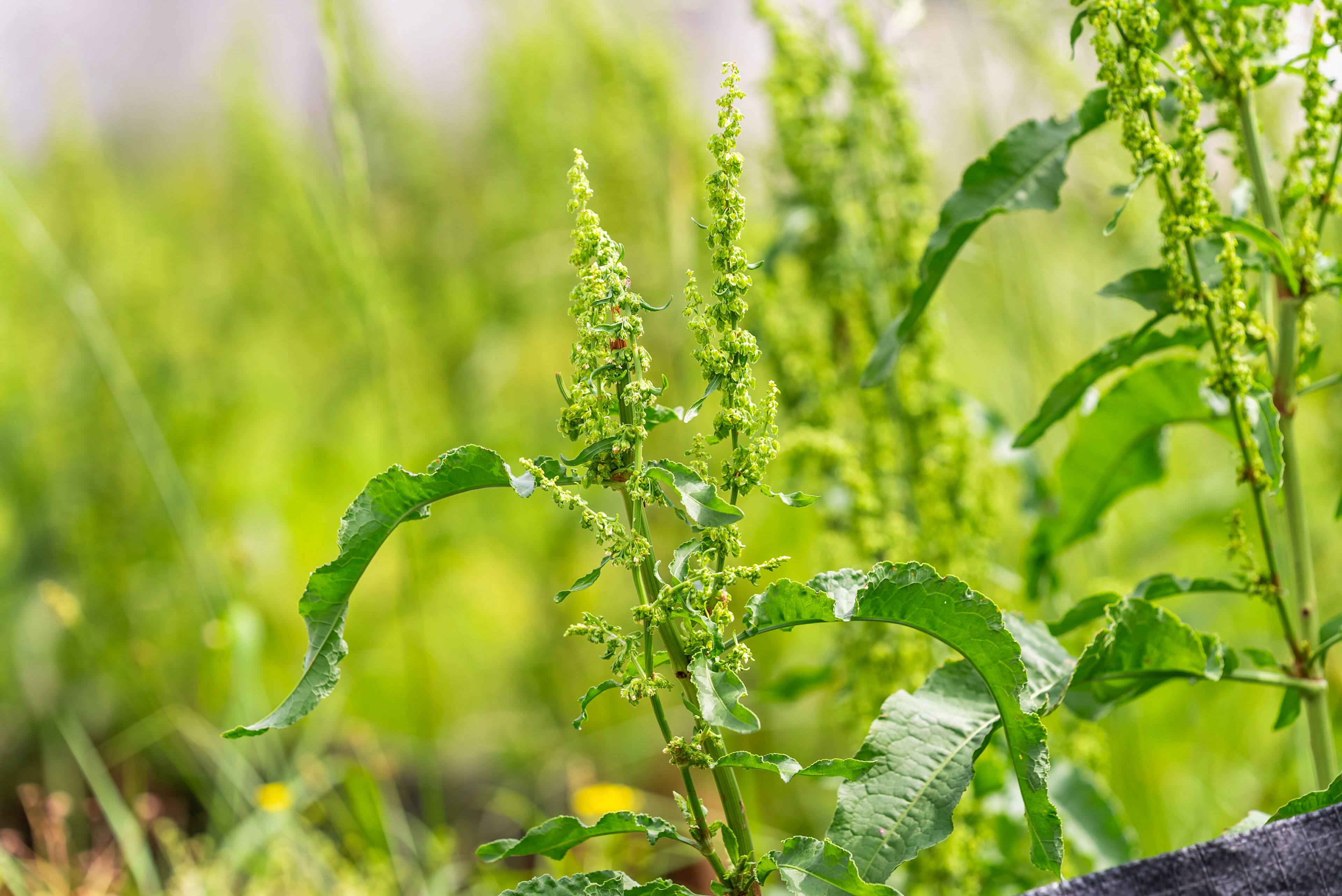
Broadleaf weeds are easy to spot once you know what to look for. Unlike grassy weeds, they have wide, flat leaves and often grow faster than the surrounding turf. Common signs include clover patches, dandelions, plantain, and other leafy growth that stands out against fine grass blades.
These weeds tend to thrive in thin or stressed turf areas where sunlight reaches the soil surface. Poor drainage, compacted soil, or inconsistent fertilization can all make your lawn more vulnerable. Proper identification is the foundation of effective broadleaf weed control in lawns, ensuring the right treatment is applied for each weed type.
The timing of treatment plays an extensive role in long-term weed management. Preventative treatments focus on stopping weeds before they ever appear, while targeted treatments address weeds that are already growing.
Pre-emergent broadleaf weed control is applied before weeds germinate. It forms a protective barrier in the soil that prevents seeds from developing into mature plants. This approach is most effective in early spring and fall, when many broadleaf weeds begin their growth cycle.
On the other hand, post-emergent targets visible weeds that have already surfaced. These treatments work by absorbing into the leaves and disrupting growth at the root level. When applied correctly, post-emergent solutions eliminate existing weeds without damaging healthy grass.
Using the right method at the right time helps prevent recurring infestations and supports consistent lawn health year-round.
Climate, soil type, and seasonal conditions all influence how weeds grow and spread in different regions. Lawns in the Mid-South and Southeast face unique challenges due to warm temperatures and extended growing seasons. For example, effective weed control often requires a carefully timed approach that accounts for early spring weed growth and aggressive summer spread in Olive Branch, MS.
Similarly, homeowners looking for a reliable lawn weed control service in Germantown and Bartlett, TN, benefit from treatments tailored to local soil conditions and common regional weed species. In Alabama, choosing a knowledgeable weed control company ensures treatments align with local weather patterns and turf types in Huntsville, AL. Addressing weeds with a region-specific strategy helps prevent overuse of treatments while delivering better, longer-lasting results.
Managing broadleaf weeds takes more than a one-time application. It requires consistent monitoring, correct timing, and a comprehensive lawn care plan. At Master Lawn, we take a proactive approach to weed management by combining proven treatment methods with customized lawn care programs tailored to your region. Our team focuses on long-term results, helping lawns stay healthy and resilient throughout the seasons. Contact us today to schedule your lawn evaluation and take the first step toward a healthier, more vibrant lawn.