How Often Should You Aerate Your Lawn? Professional Guidance for Optimal Turf Health
2 min read
Aeration
2 min read
Many homeowners wonder about the right frequency for lawn aeration and whether their grass actually needs it. The answer depends on several factors, including soil type, lawn usage, and grass health, but understanding the benefits and timing can help you make informed decisions about your lawn care routine.
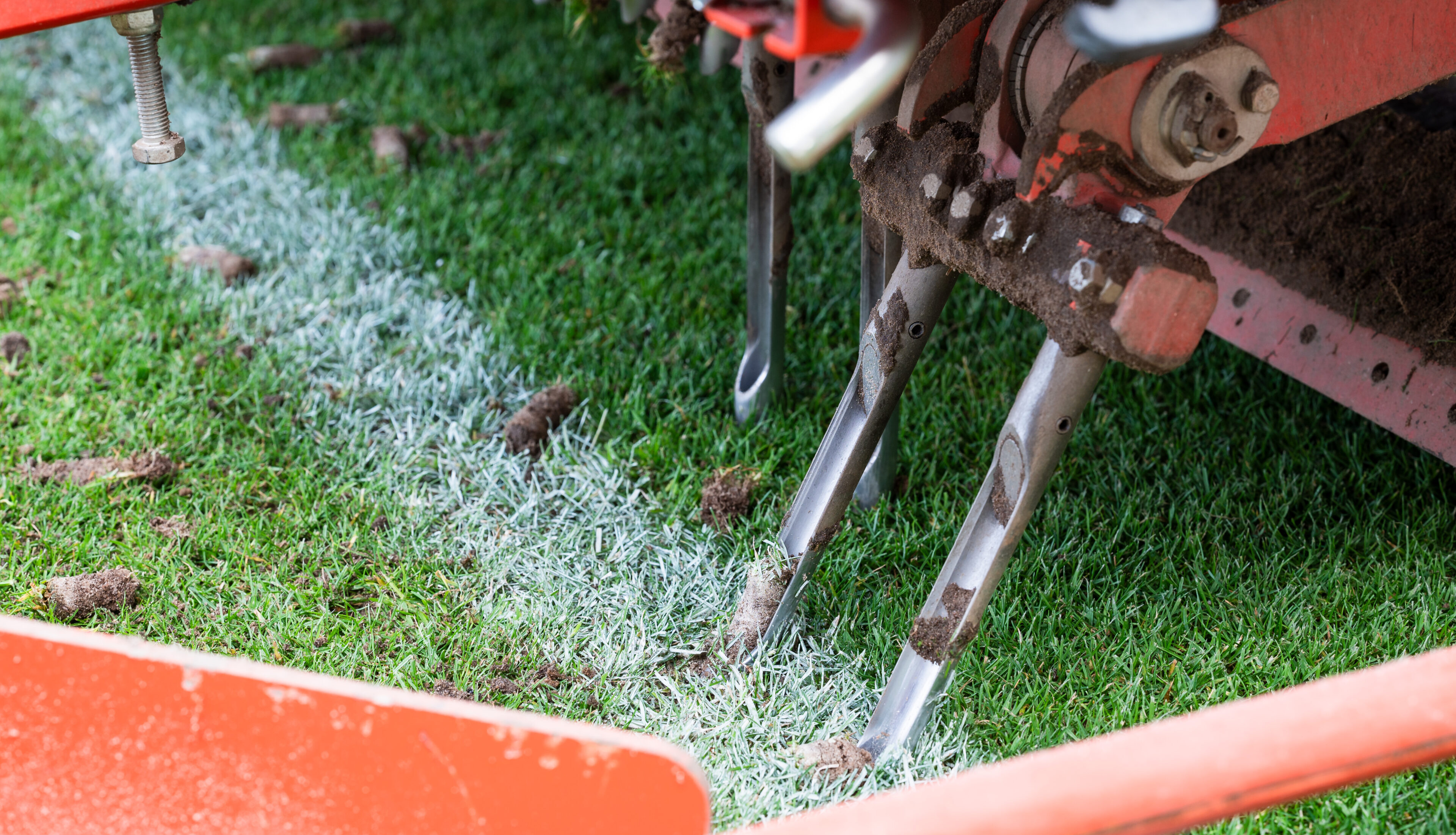
Most established lawns benefit from lawn aeration once per year, typically in fall when grass is actively growing and can recover quickly. However, high-traffic areas, clay soils, or lawns showing signs of compaction may require aeration twice a year. Signs your lawn needs attention include water pooling on the surface, hard soil that’s difficult to penetrate, and thin or patchy grass growth despite proper fertilization and watering.
Several conditions determine how often your specific lawn needs professional attention. Homes with clay soil, heavy foot traffic, or pets often require lawn aeration service because these conditions cause soil compaction more quickly. Sandy soils naturally drain better and may need less frequent aeration. Additionally, newer lawns or recently renovated areas may not need aeration as frequently as older, established turf.
Professional lawn aeration and overseeding services understand optimal timing for your grass type and local climate conditions. In the Mid-South, fall aeration typically provides the best results because cool-season recovery allows grass to establish stronger root systems before summer heat returns. Spring aeration can also be beneficial, but requires careful timing to avoid interfering with pre-emergent treatments and peak growing seasons.
The most effective approach combines aeration with complementary treatments. Professional services often pair lawn aeration and overseeding to fill in thin areas while soil conditions are optimal for seed germination. This combination approach helps create thicker, more resilient turf that naturally crowds out weeds and better withstands environmental stresses.
Ready to give your lawn the professional care it deserves? Master Lawn’s expert team provides comprehensive assessments and customized aeration schedules tailored to your lawn’s specific needs and conditions. Our lawn aeration service includes detailed evaluation, proper timing, and follow-up care to ensure optimal results. Contact us today to schedule your fall aeration and discover how professional timing and technique can transform your lawn’s health and appearance.