Winter Lawn Damage: Signs Your Lawn Needs Attention
3 min read
Lawn Care
3 min read
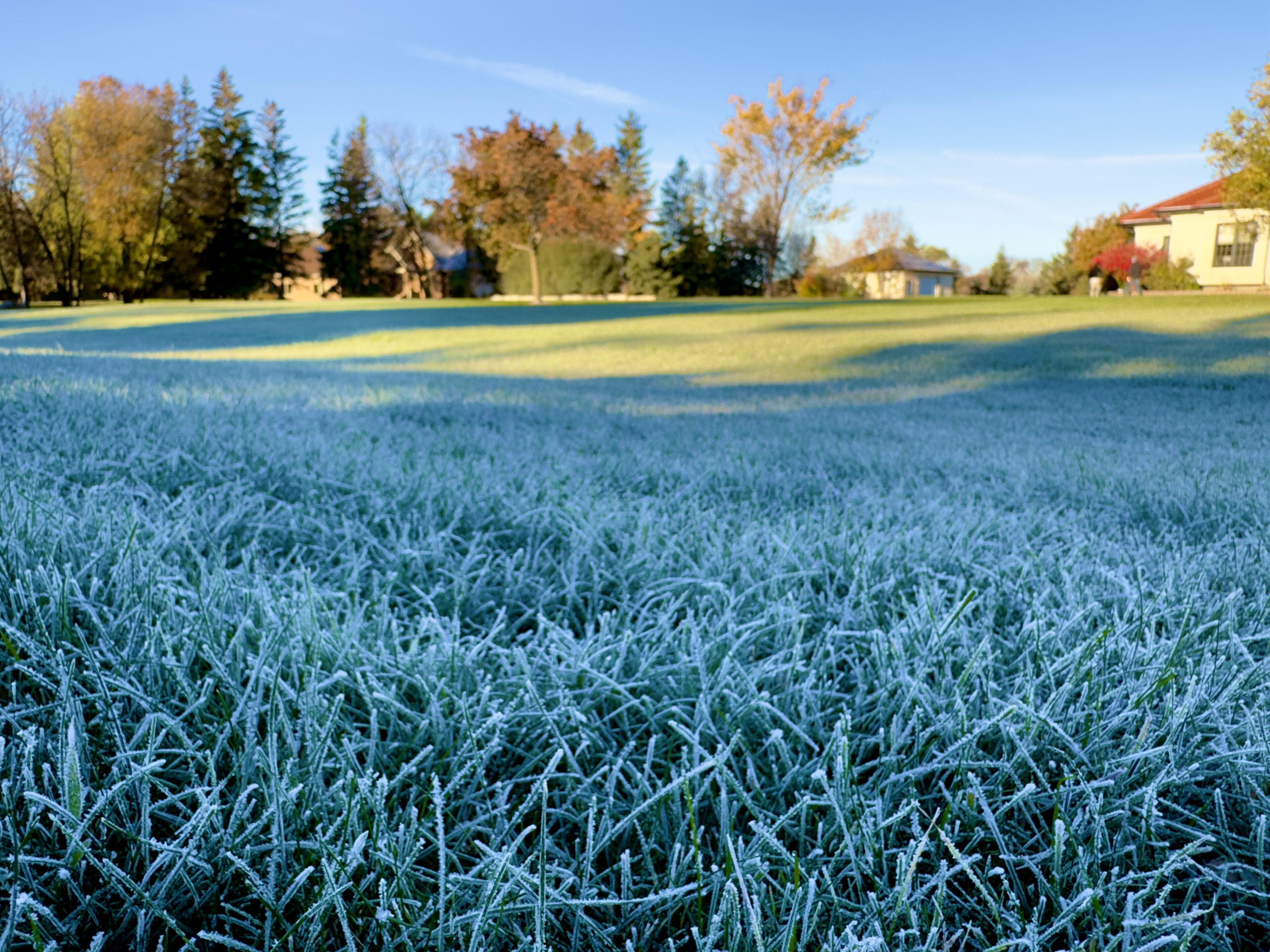
Winter can be tough on your lawn, even if it looks quiet and dormant on the surface. Cold temperatures, frost, foot traffic, and fluctuating moisture levels can all take a toll on grass health. By the time spring arrives, underlying issues often become visible. Knowing how to spot winter lawn damage early can help you address problems before they worsen and set your lawn up for a strong recovery. Ignoring winter-related stress may lead to thinning grass, bare patches, and weakened roots. Paying attention now makes a noticeable difference once the growing season begins.
As temperatures rise, your lawn may start showing signs that winter did more damage than expected. One of the most common indicators of winter grass damage is discoloration. Grass that appears gray, straw-colored, or matted down may be struggling to bounce back from prolonged cold or snow cover.
Compacted soil is another issue to watch for. Snow buildup and repeated foot traffic can compact the soil, restricting airflow and water absorption. You may also notice patchy growth or areas where grass fails to green up evenly. These symptoms often point to root stress that developed over the winter months.
Minor damage can quickly turn into a larger problem if left untreated. Lawn areas weakened during winter are more vulnerable to weeds, disease, and pest activity. Over time, this can spread and affect the overall appearance and health of your lawn. Addressing and repairing winter lawn damage early helps prevent long-term setbacks.
Timely care allows grass to recover more efficiently, promotes stronger root development, and encourages even growth. Simple steps like soil conditioning, proper fertilization, and targeted treatments can make a noticeable improvement when applied at the right time.
Recovery starts with a careful assessment. Removing debris, gently raking matted grass, and improving soil conditions can help grass regain access to air and nutrients. Aeration may also be beneficial for lawns showing signs of compaction after winter.
For homeowners who want reliable results, professional lawn care services can provide customized solutions based on your lawn’s specific condition in Olive Branch, MS, Huntsville, AL, Germantown, TN, and Bartlett, TN. These services focus on restoring soil balance, strengthening turf, and supporting healthy regrowth without unnecessary stress.
Consistency is key. Proper watering, seasonal fertilization, and monitoring weak spots all help grass recover from winter-related damage and thrive throughout the year.
Winter recovery isn’t just about quick fixes — it’s about building long-term lawn health. When lawns show lingering signs of stress, experienced lawn care providers can help identify underlying issues and apply treatments that support lasting improvement rather than temporary results.
At Master Lawn, we understand how winter conditions affect local lawns and tailor our approach accordingly. Our team focuses on restoring strength, improving soil health, and keeping your lawn resilient year-round. Schedule your lawn evaluation today and take the first step toward a stronger, greener lawn.