How to Prevent Crabgrass in Your Lawn
3 min read
Landscaping Weed & Feed
3 min read
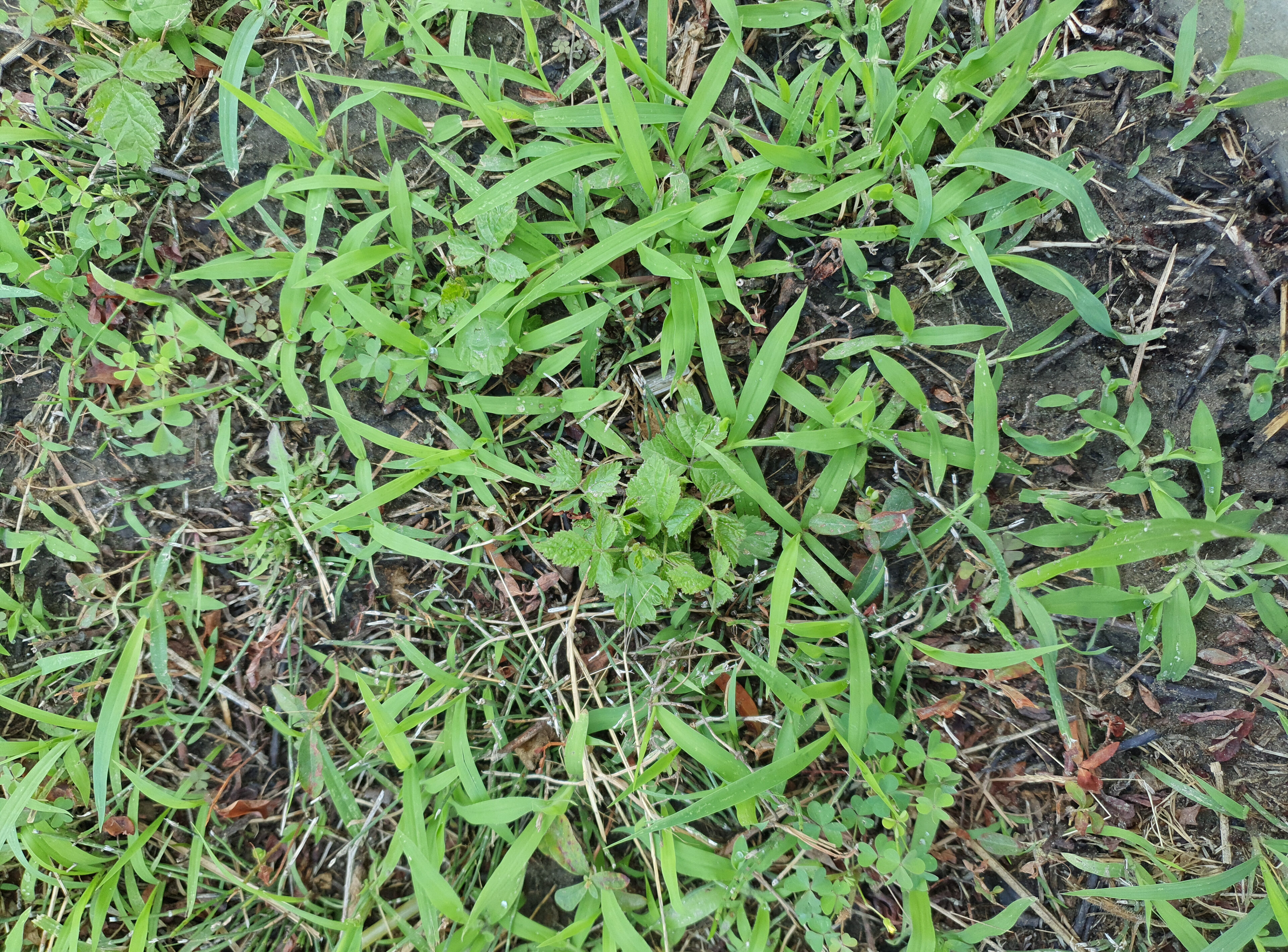
Crabgrass is one of the most common lawn weeds homeowners struggle with every year. It spreads quickly, crowds out healthy grass, and can leave your lawn looking thin and uneven. The good news is that with the right timing and approach, crabgrass problems can be avoided before they start. Understanding how to protect your lawn early is the key to long-term success.
Crabgrass thrives in weak, thin lawns where soil is exposed, and turf coverage is inconsistent. It typically germinates when soil temperatures rise in spring and grows aggressively throughout warmer months. Once established, it competes with desirable grass for water, nutrients, and sunlight, making lawn recovery difficult.
Many homeowners attempt to prevent crabgrass after it appears, but by then, the damage is already underway. Prevention is far more effective than removal, especially when combined with consistent lawn care practices that strengthen turf density and root health.
Timing plays a major role in successful crabgrass control. One of the most common questions homeowners ask is about when to apply crabgrass preventer treatments. Preventive products should be applied early in the growing season—typically before soil temperatures reach the point where crabgrass seeds begin to germinate.
Applying too late can reduce effectiveness, while applying too early may cause the treatment to wear off before it’s needed. Monitoring seasonal conditions and lawn growth patterns helps ensure treatments are applied at the optimal time for protection.
A pre-emergent crabgrass preventer works by stopping crabgrass seeds from sprouting, creating a barrier in the soil before weeds can take hold. While this approach is highly effective, it works best when paired with proper mowing, watering, and fertilization practices. Healthy lawns naturally resist weed growth. Maintaining proper grass height, avoiding overwatering, and ensuring balanced nutrition reduces the chances of crabgrass becoming established.
When these steps are combined with professional treatments, homeowners see stronger, thicker lawns throughout the season. Consistent programs also support long-term crabgrass prevention, reducing the need for corrective treatments later in the year.
Climate, soil type, and seasonal conditions vary by region, which is why localized lawn care strategies matter. Effective weed control requires an understanding of regional weather patterns and turf challenges in Olive Branch, MS; Huntsville, AL; Germantown, TN; and Bartlett, TN. Tailored treatment plans ensure crabgrass prevention methods remain effective year after year, regardless of location-specific factors. Applying the correct product at the right time helps homeowners avoid recurring weed issues while supporting healthier lawn growth across all service areas.
Preventing crabgrass is about more than one treatment—it’s about a complete lawn care strategy designed to protect and strengthen your turf. At Master Lawn, we take a proactive approach to lawn health by offering customized treatment plans, seasonal applications, and expert guidance tailored to your lawn’s specific needs. Our team helps homeowners achieve reliable results with proven solutions, including effective pre-emergent crabgrass preventer programs and region-specific lawn care services. Visit us today to learn more or schedule your lawn care service.